Surf Sports
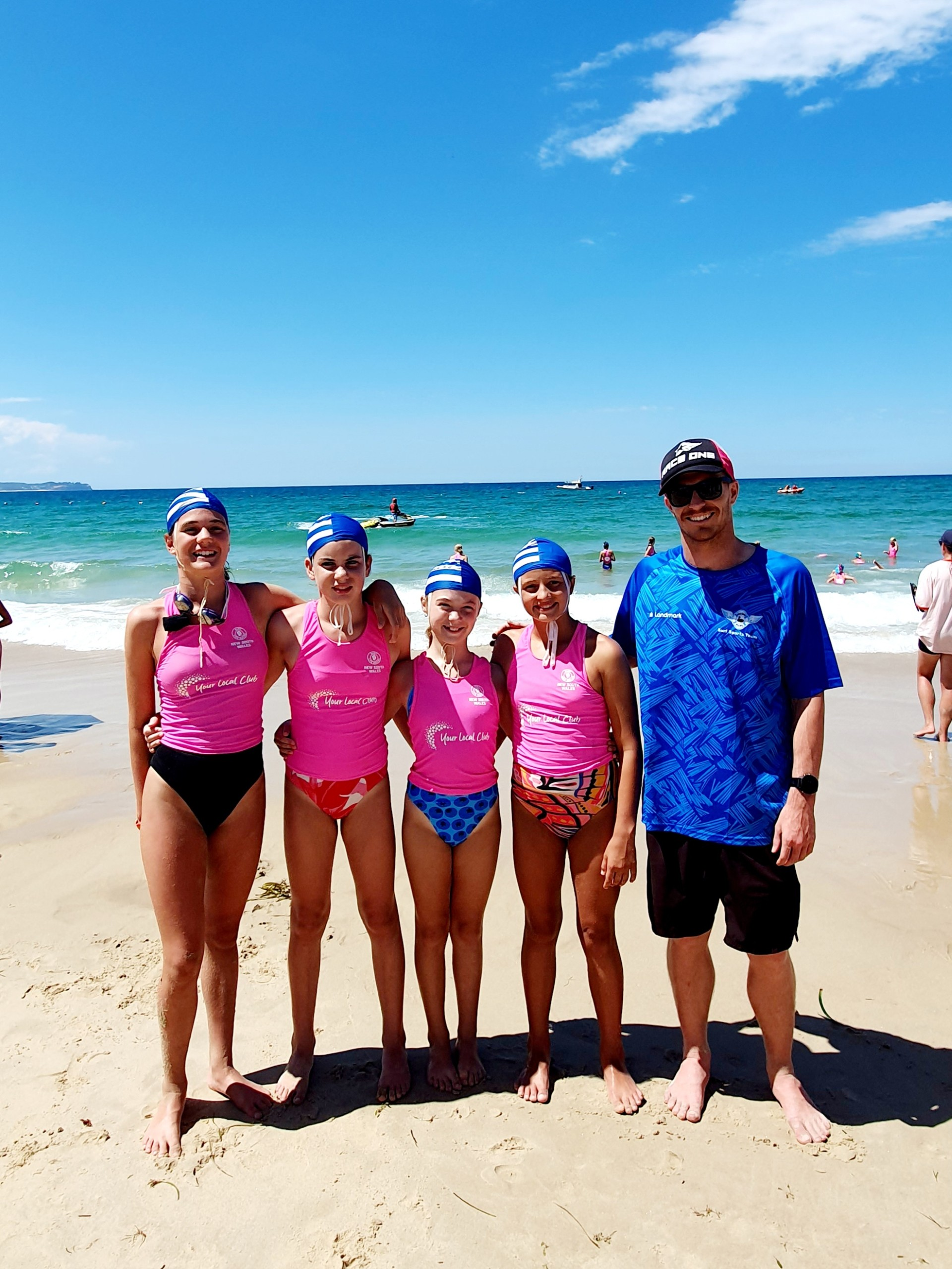
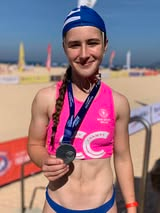
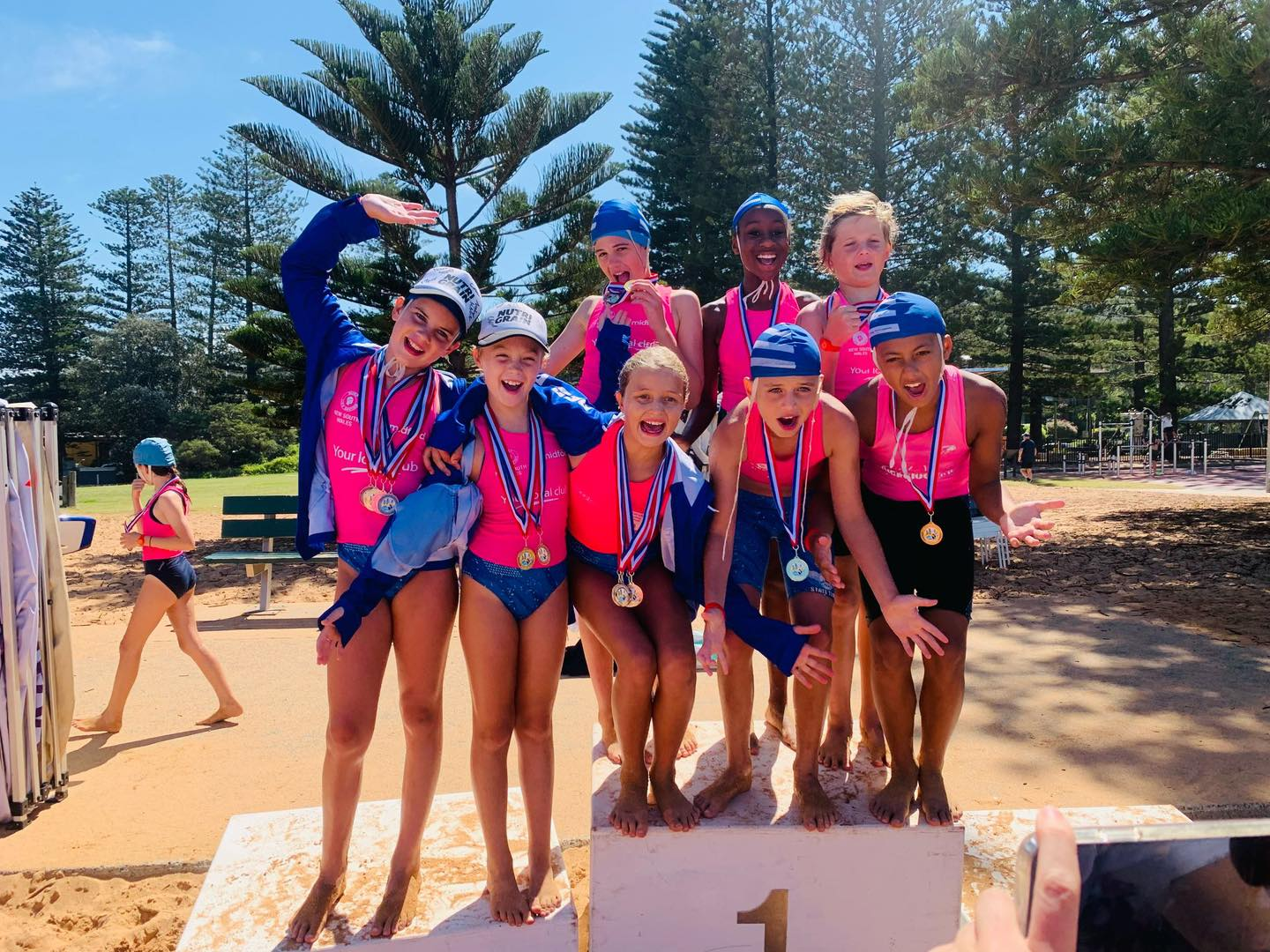
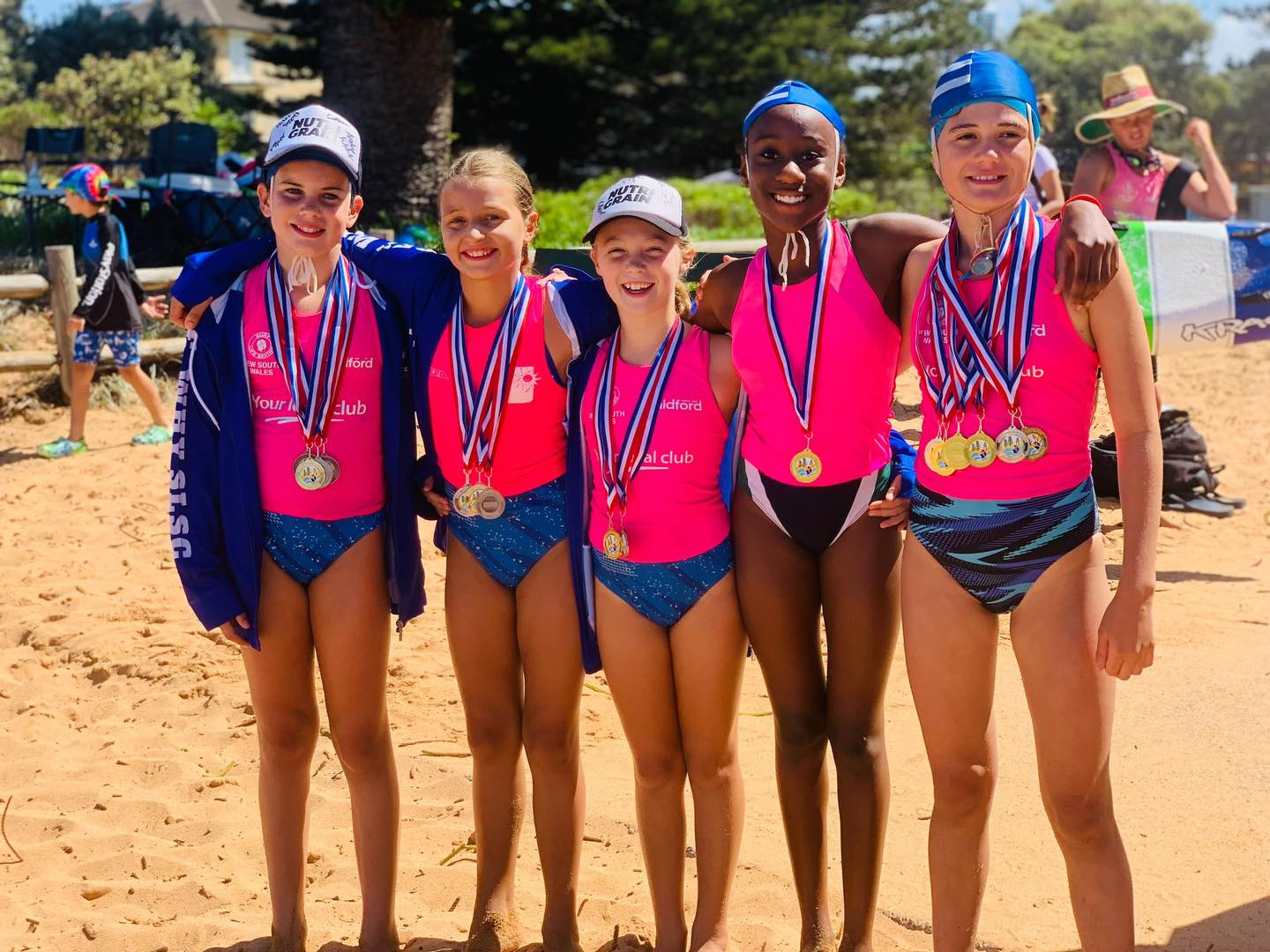
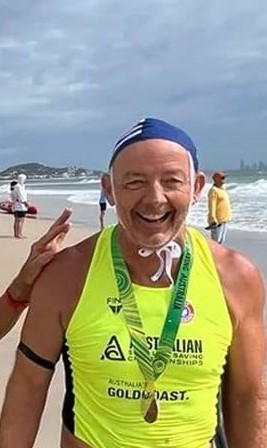
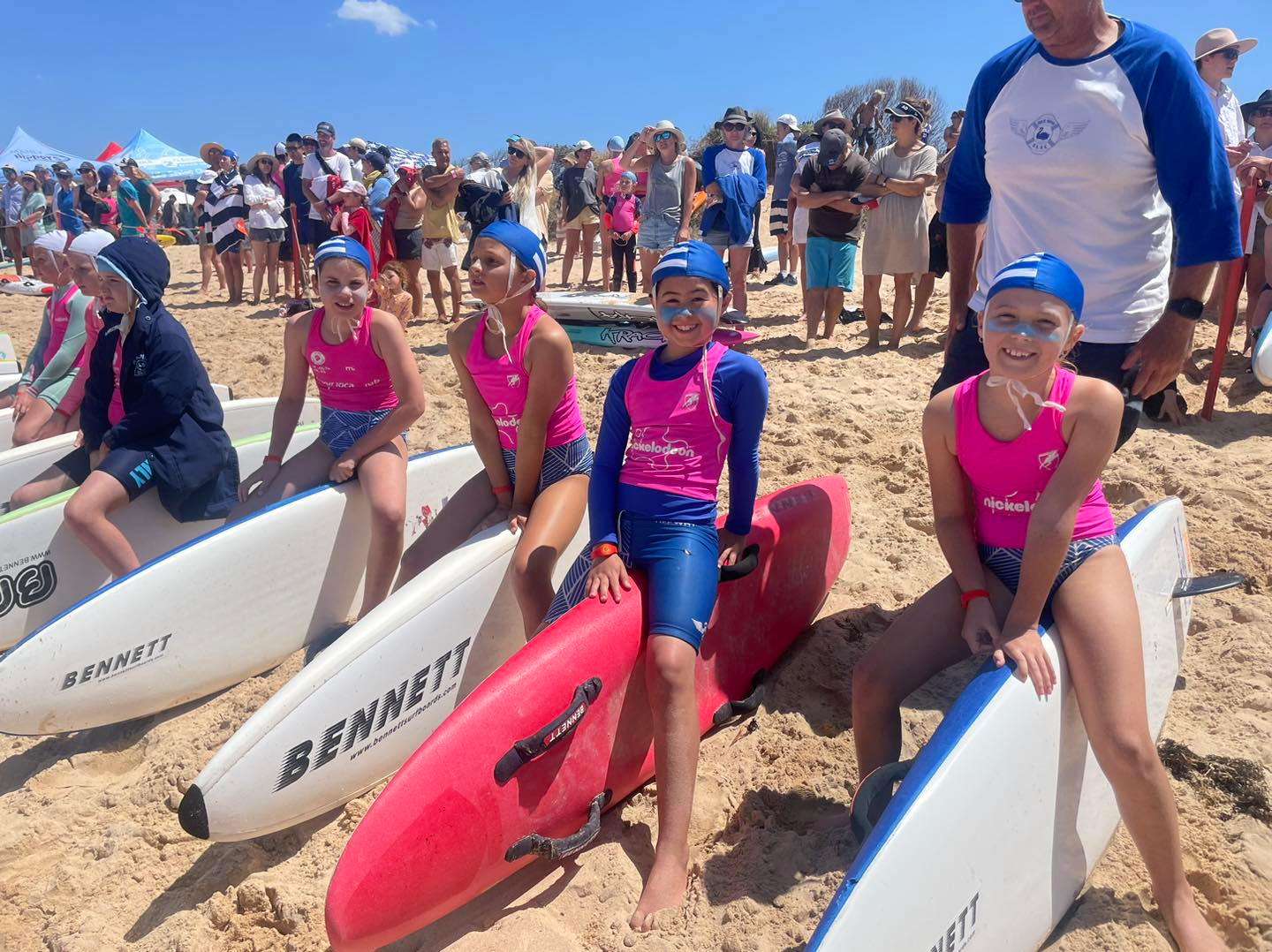
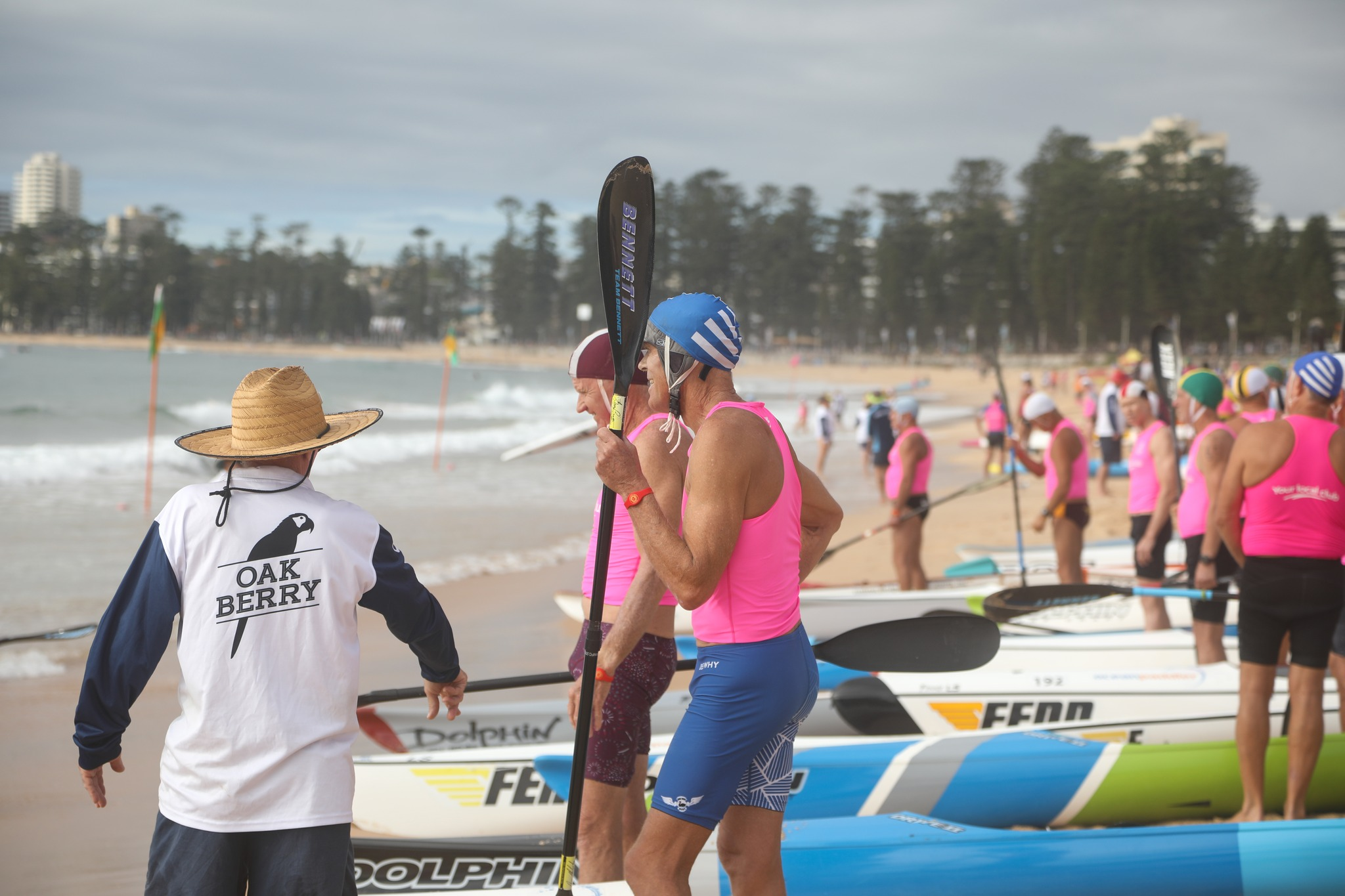
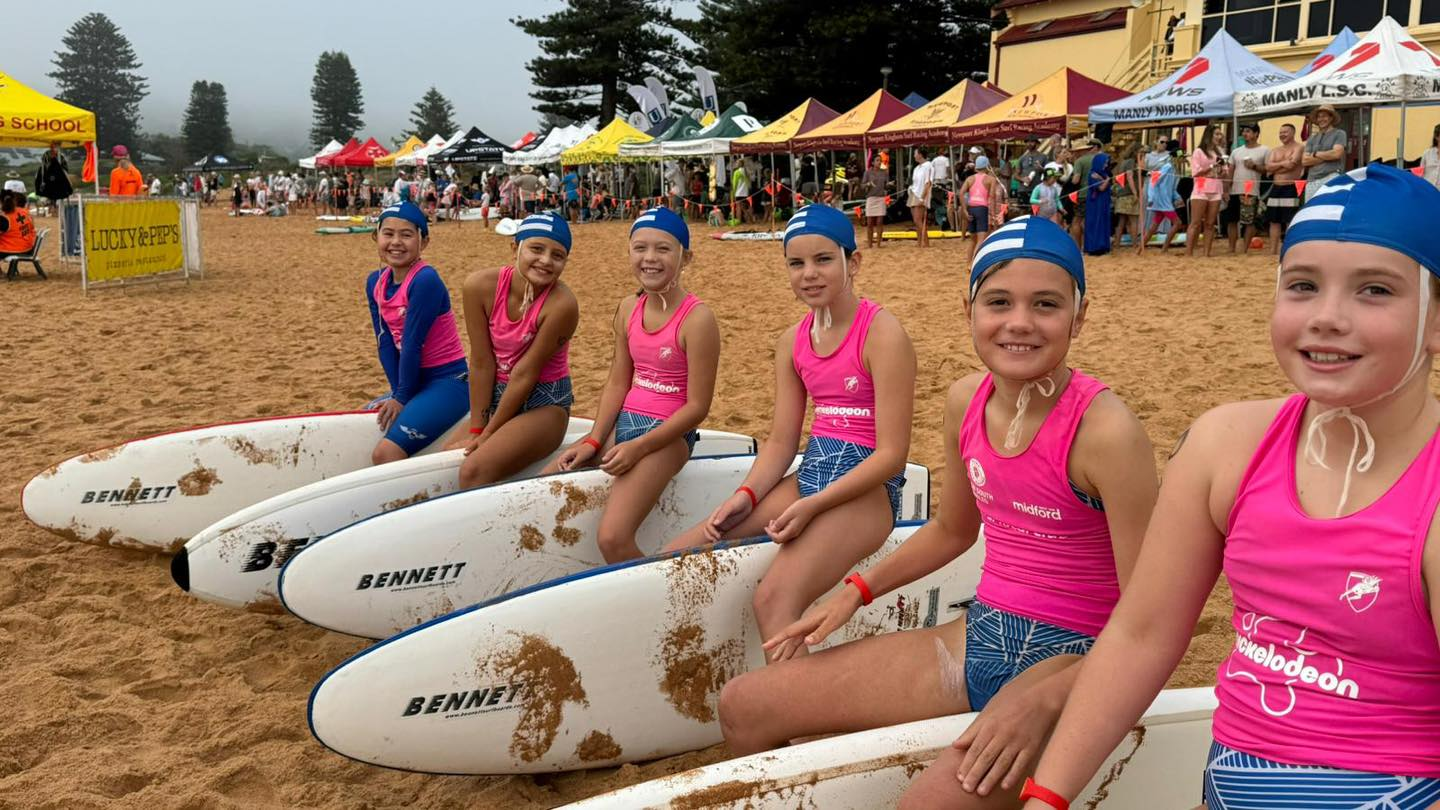
Whether you’re aiming for national titles or just want to stay fit, build skills, and be part of a team, there’s a place for you in our Surf sports Team.
Why get involved in surf sports ?
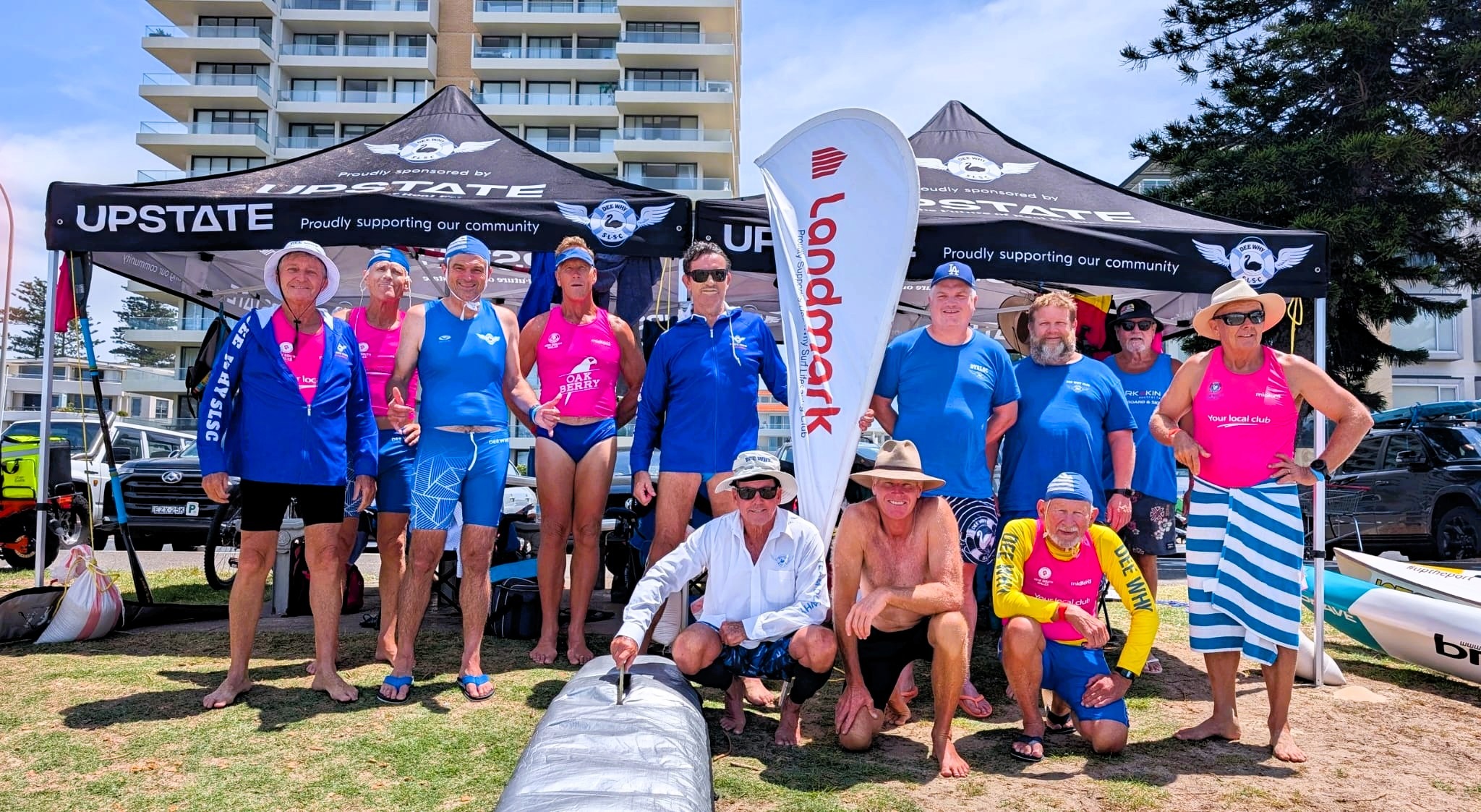
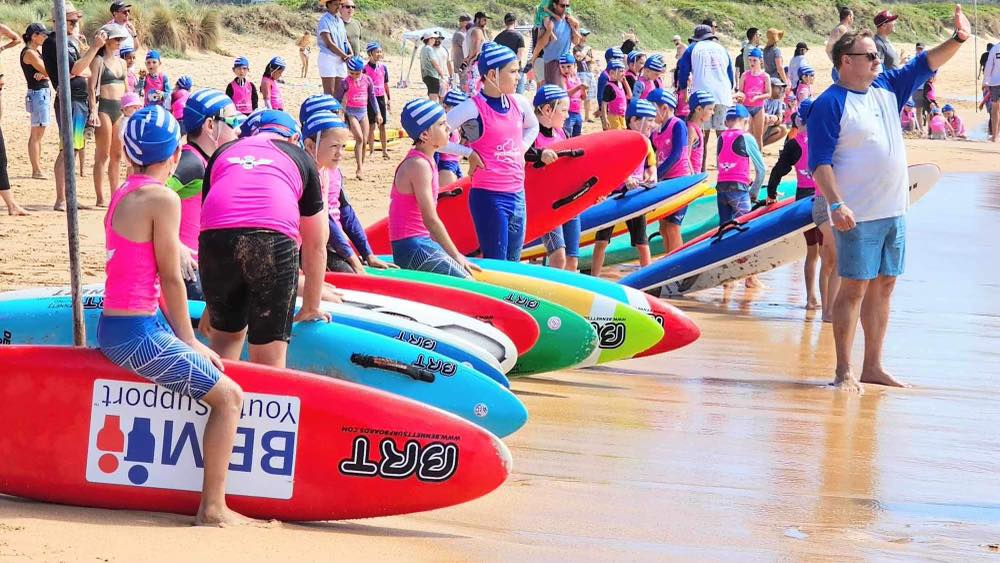
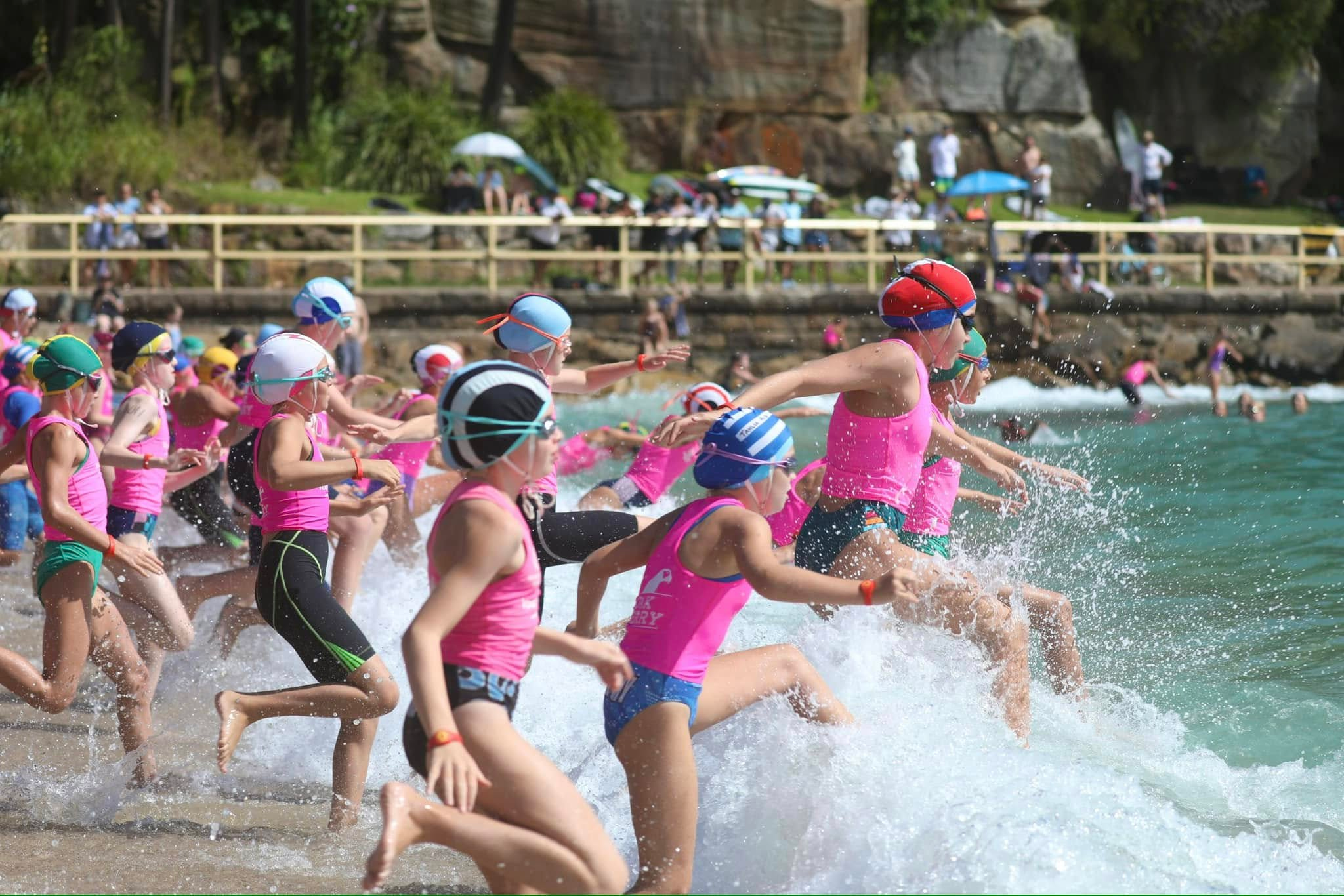
Surf Sports at Dee Why SLSC are about more than competition, they build fitness, lifesaving skills, and community. From Nippers to Masters, there’s something for everyone with disciplines ranging from:
- Surf swimming
- Board paddling
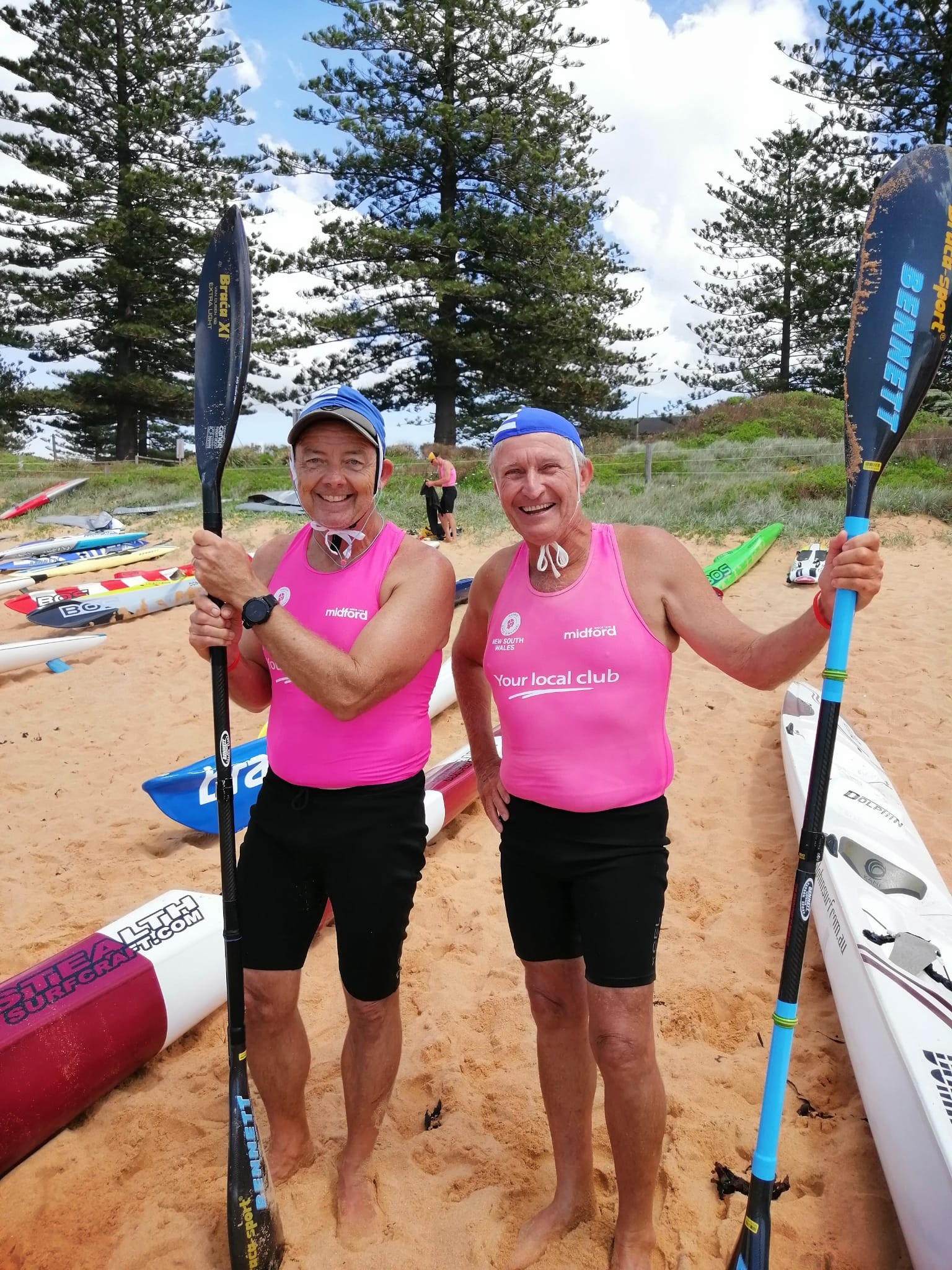
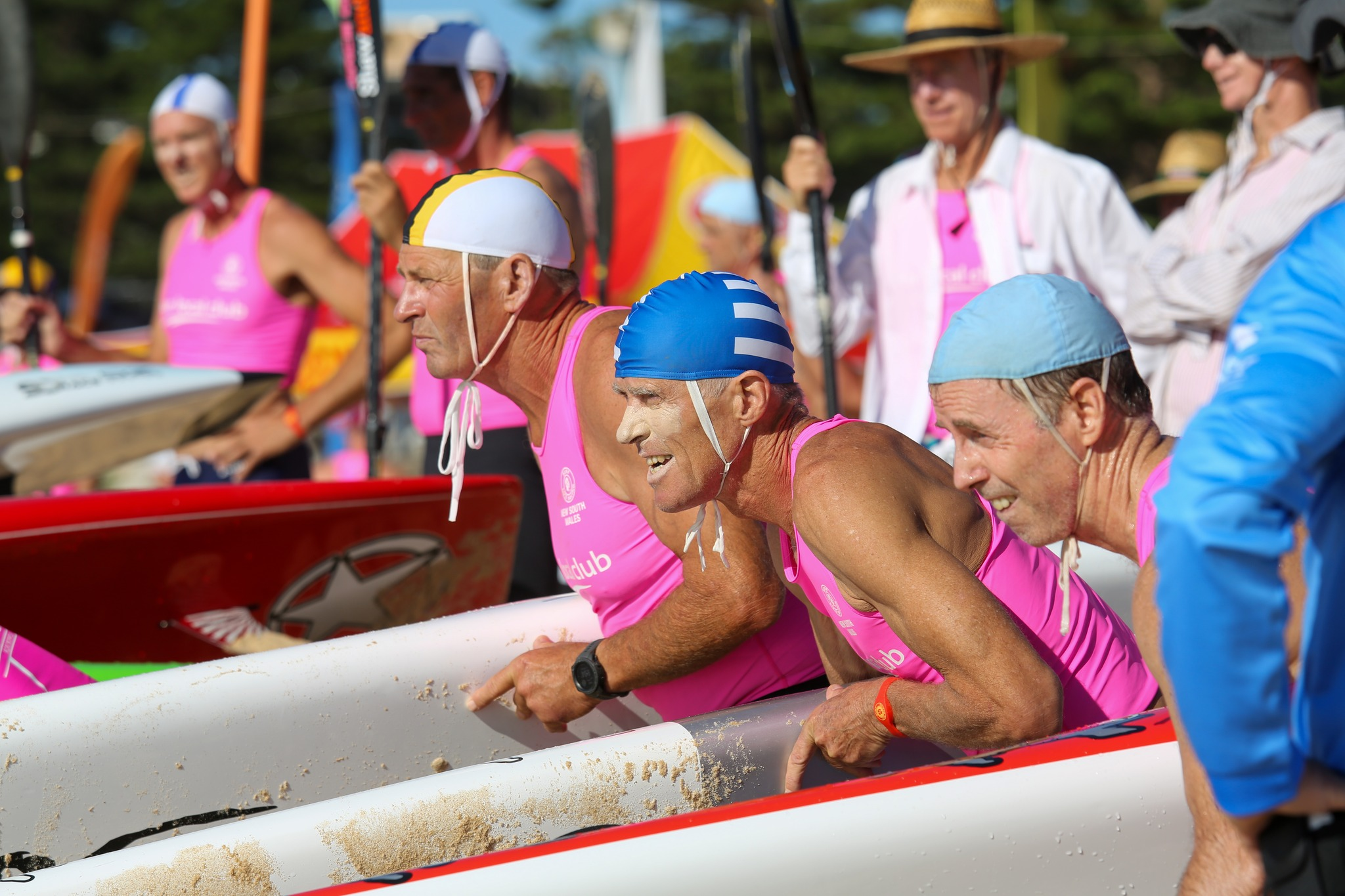
- Ski paddling
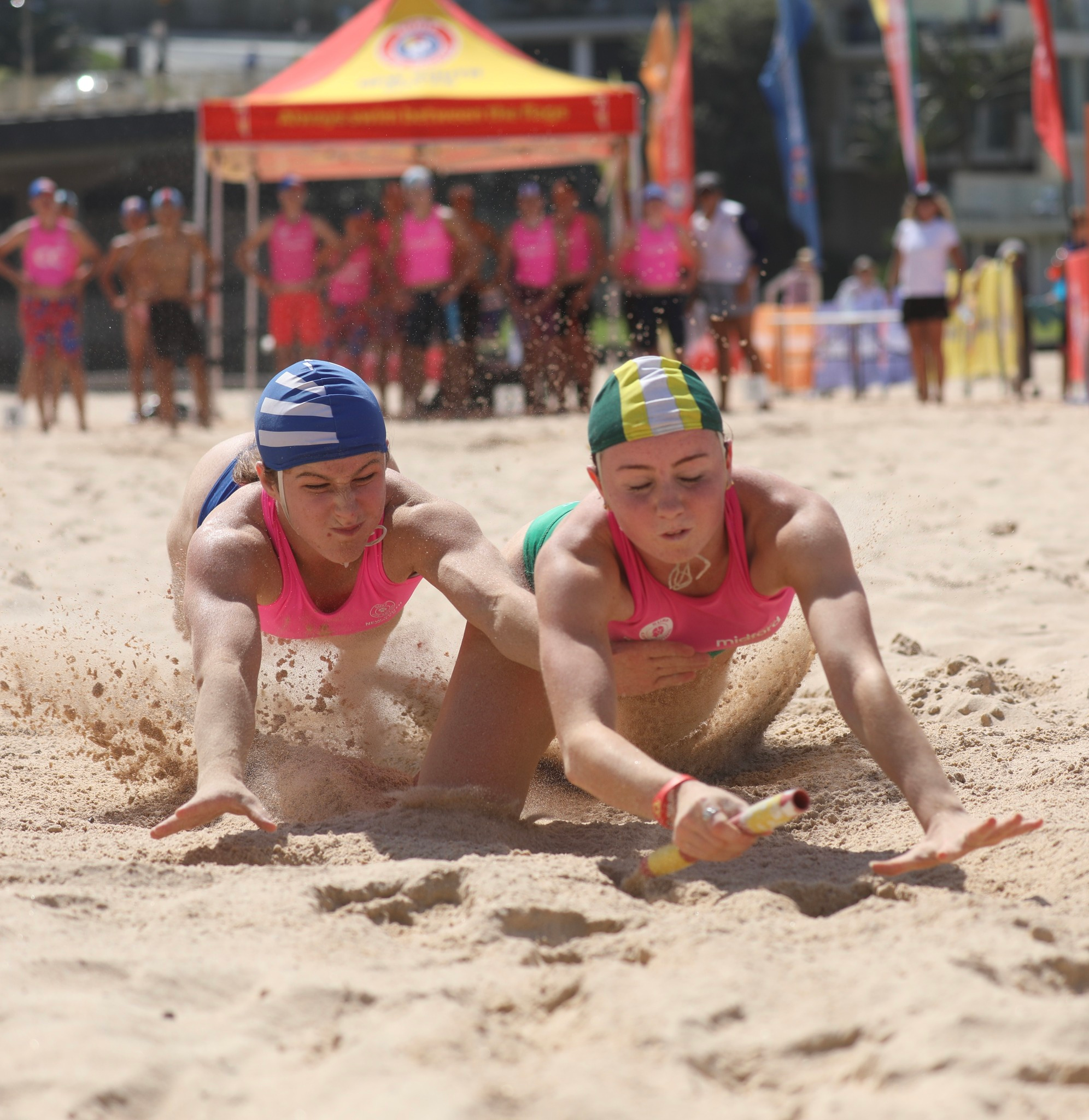
- Beach sprints/flags/distance
- Lifesaving firstaid/R & R
- Surf boats
- Pool Rescue
Every race or training session develops surf awareness, confidence, and teamwork. Whether you’re chasing titles or just giving it a go, there’s an event for every age and stage.
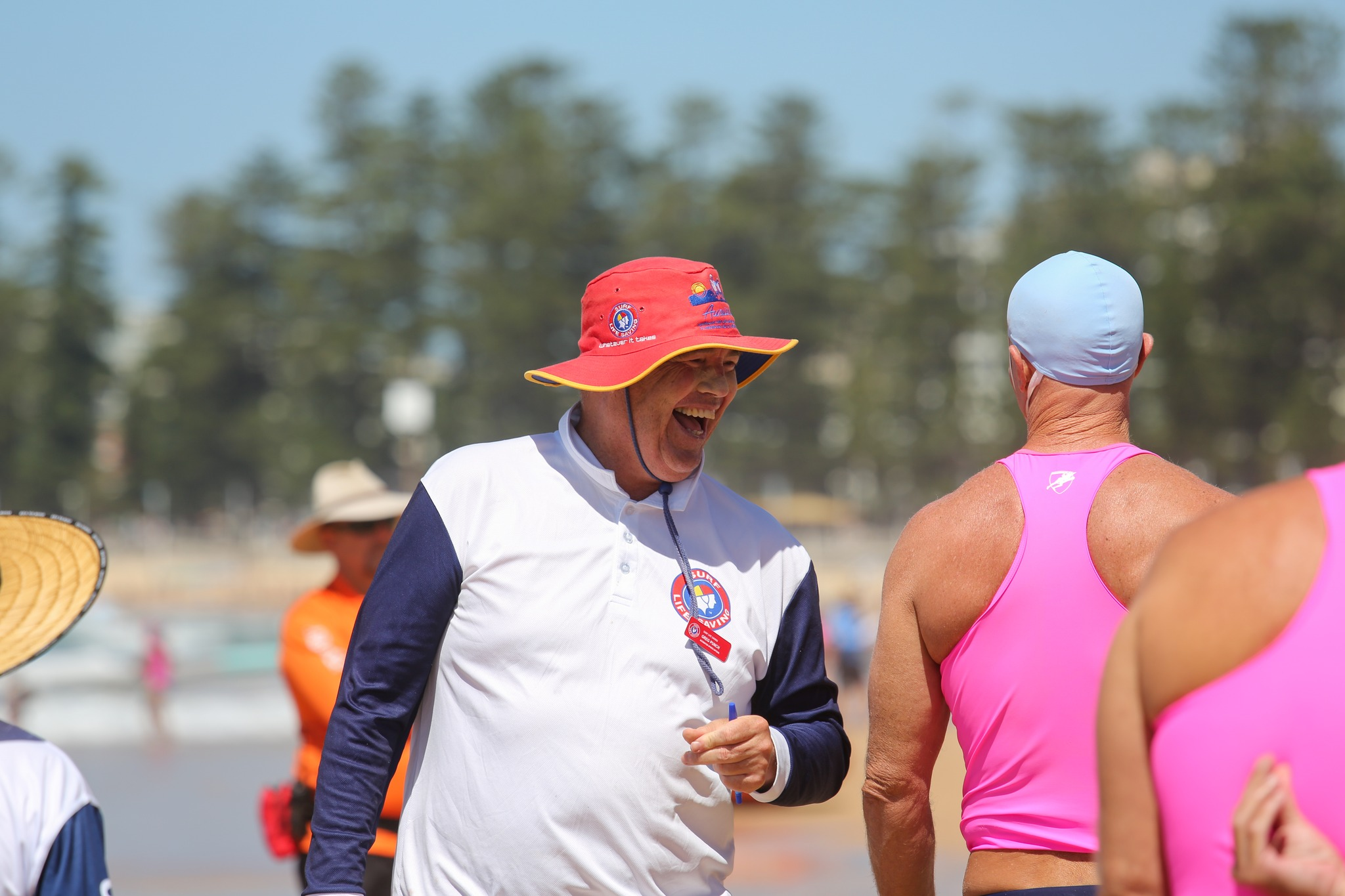
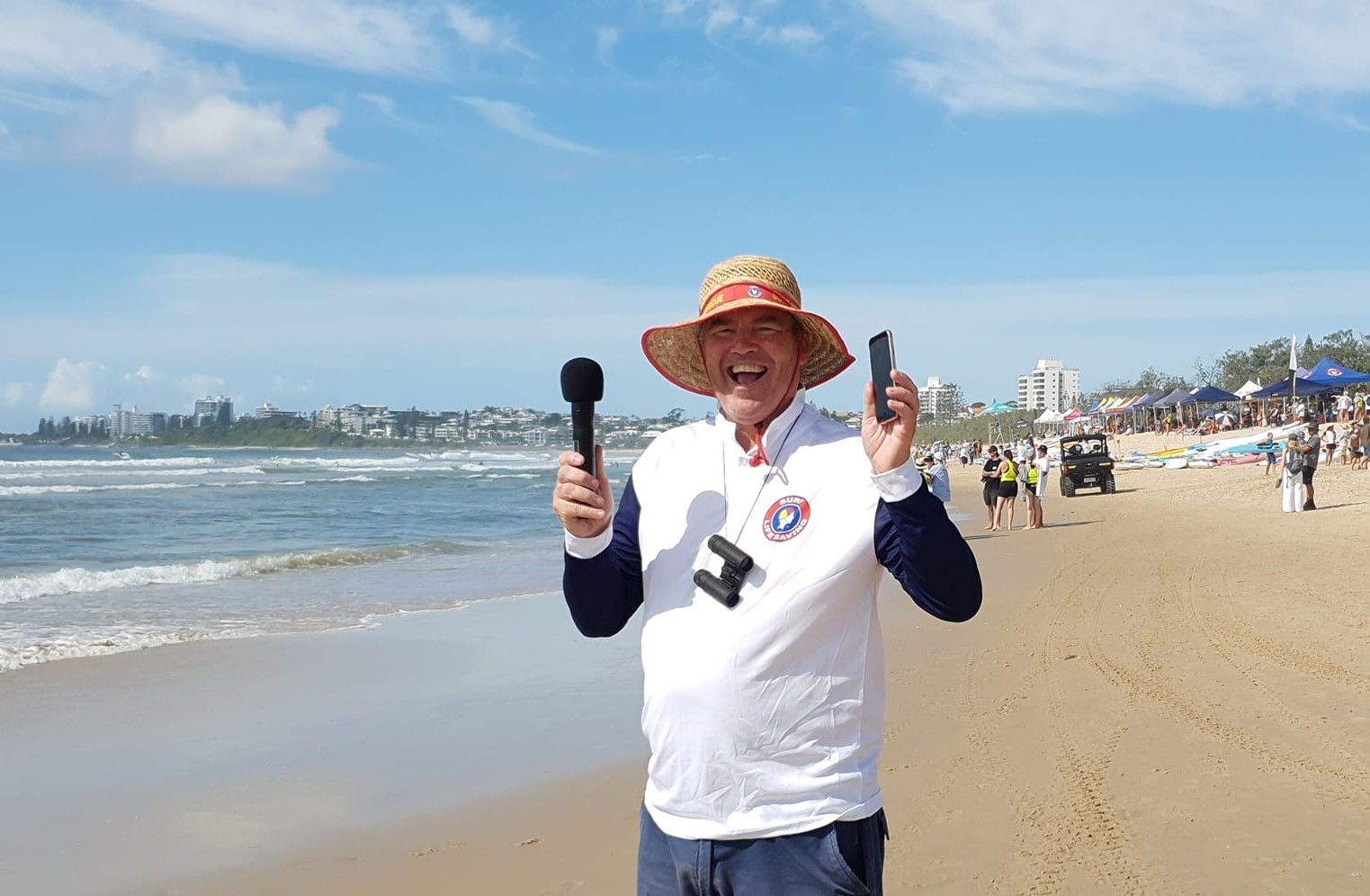
With every carnival, there are many support volunteers required, why not get involved as a Surf Sports Official ?
Who can compete - eligibility ?
To compete for Dee Why SLSC, you will need to be registered and current financial member of the club.
Juniors (U8-U13), you will need:
- …
Seniors (U14 + through to Masters)
- Hold a Bronze Medallion or Surf Rescue Certificate (SRC)
- Complete at least 25 patrol hours (1 Jan– 31 Dec)
- Be proficient for the current season
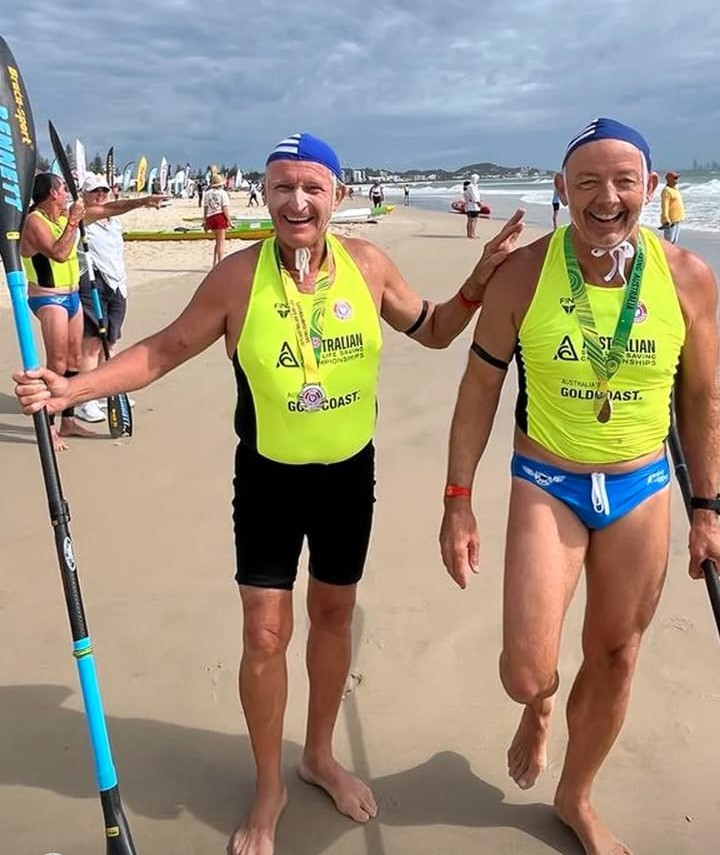
Over 30? Join the action at Masters competitions.
Check out our Training Schedule
Where can you compete ?
Start with the local surf carnivals. SLS Sydney Northern Beaches Branch publish a Surf Sports Calendar every season on their website.
If the local carnivals don’t cut the mustard, then progress to:
- State Championships
- The Aussies (Australian Championships)
- World Championships
SLS Sydney Northern Beaches Branch Surf Sports Calendar
SLS New South Wales Surf Sports Calendar
SLS Australia Surf Sports Calendar
Surf Sports Information & Disciplines
Surf Sports Officials
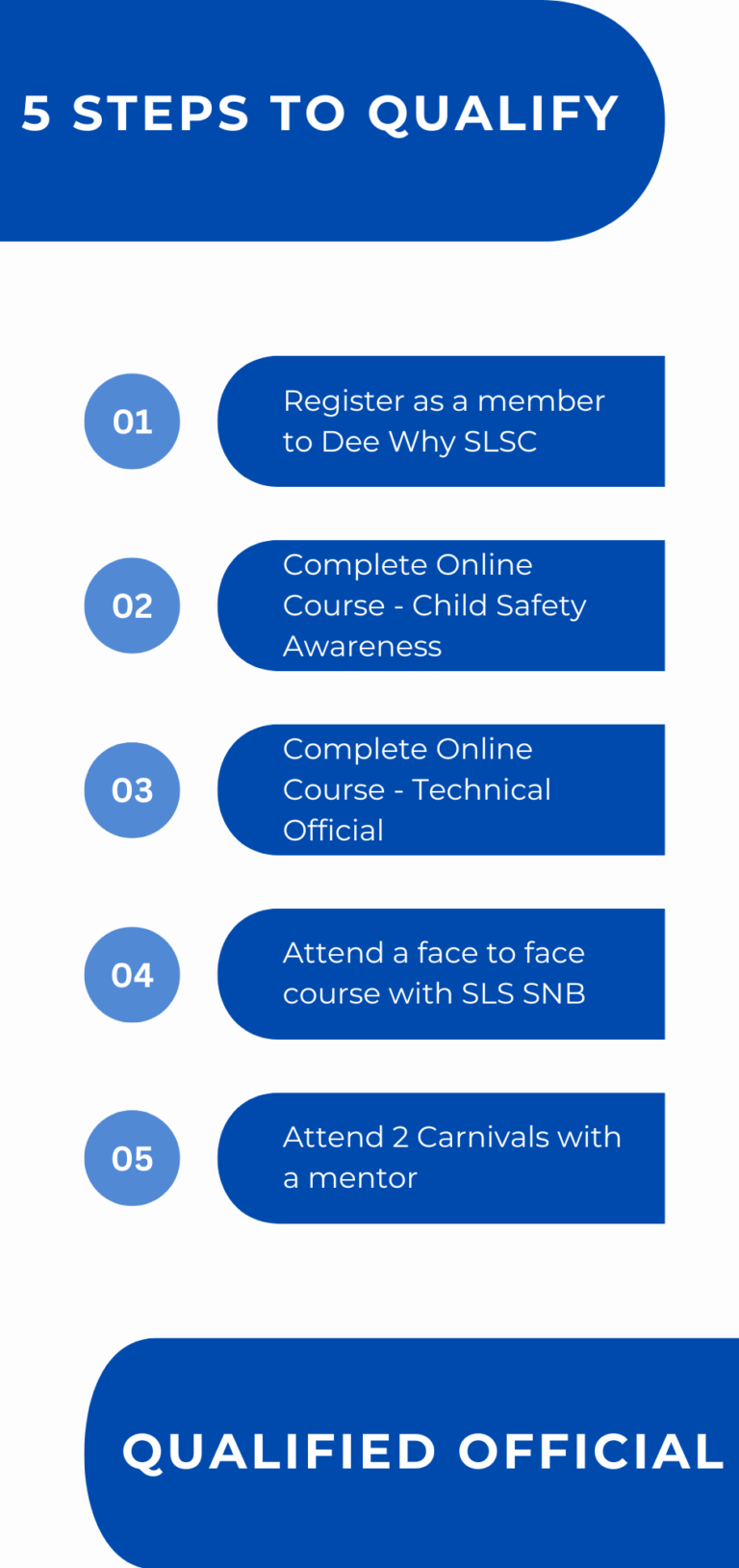
Qualify as a Surf Sports Official
You don’t need to know everything about Surf Lifesaving to be a very effective official. And, at least on the Nippers side of things, a significant part is hearding cats! As a club we aim for all Official roles to be shared by 2 qualified Officials wherever possible.
There are a number of stages to getting qualified.
The online courses give you an overview of the general principles of Officiating and cover the different roles that Officials can play.
The Face to Face session is a great opportunity to pick up some tips & tricks from an experienced Official and ask questions.
Finally, as a probationary official you are supported through your first couple of carnivals by another official.
Tips & Tricks
- You must watch all the videos or the course will not show as completed
- Make sure you click exit from the online modules or they will not show as complete
- Module 1 takes you out of the SLS website & into the Sporting Australia website. Once you have completed this module you MUST go back into your SLS Portal and back into MODULE 1 & input your certificate number so that the module shows as complete.
If you have any issues with your awards showing as completed then get in touch with the SLS Helpdesk – you can call them or lodge a ticket. They are very helpful & responsive.
Surf Sports Coach
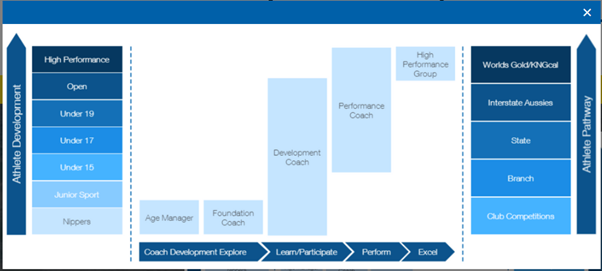
Qualify as a Surf Sports Coach
You don’t need to know everything about Surf Life Saving to be an effective coach, an ideal coach will:
- nuture a love of multiple Surf Sports
- focus on skill development and decision making
- understand the needs of participants in the ‘Learn/Participate’ phase: predominately primary and secondary school children and adult non-elite participants
- reinforce ethical approaches to Surf Sport participation
- provide for participants needs and aspirations
- understand they are in the business of creating not only better athletes, but better people
SLS Participant and Coach Development Pathway
There are a number of prerequisites and stages to become a qualified Surf Sports Coach with Dee Why SLSC.
- Financial member of Dee Why SLSC
- Current Bronze OR previous experience as a SLS Surf Sports Competitor
- Working with Children Check – via Service NSW Website
- SLS Hub Portal – SLS Child Safe Awareness
Follow the 7 steps below to become accredited and start coaching.
Step 1. Register at Dee Why SLSC
If you are not already a member of Dee Why SLSC then go to our Membership page and follow the steps.
Step 2. Sign up to the SLS Development Coach (including Elective modules)
Log into your SLS Hub portal and select:
- eLearning
- Training Library
- SLS – Coaching – click on VIEW COURSES
- Development Course – click on ENROL – Pay online $115 (Reimbursed by Dee Why SLSC on completion and accreditation. Commit to coach/assist head coach with 1 session per week)
- SLS Development Coach include 6 Core Modules
Step 3. Sign up to the Sport Australia Community Coaching General Principles
Who this course is for: All current and new coaches involved in community sport.
8 x Course Modules: (approx. 3 hours to complete)
Go to the Sport AUS/AIS – Australia Sports Commission website: https://www.ausport.gov.au/coaching/community/education/community-coaching-essential-skills
Sign Up to complete the course
Step 4. Sign up to Child Safe Awareness
Log into your SLS Hub Portal and select:
- eLearning
- Training Library
- SLS – Safety & Wellbeing – click on VIEW COURSES
- Child Safe Awareness Course – click on ENROL
Step 5. Sign up to ASADA Level 1 Anti-Doping Course (Development Coach only)
Log into your SLS Hub Portal and select:
- eLearning
- Training Library
- SLS – Sport Integrity Australia Anti-Doping Fundamentals Course (Previously known as Level 1)- click on ENROL
Step 6. Complete all online SLS eLearning content
Complete all online content
- SLS Development Coach 6 x Modules (including Electives) – SLS Member Portal
- Sports Australia Community Coaching General Principles – Sport AUS/AIS – Australian Sports Commission
- Child Safe Awareness – SLS Member Portal
- The ASADA Level 1 Anti-Doping course (Development Coach only) – SLS Member Portal
Notify the Dee Why SLSC – Surf Sports Coordinator and email completed course Certificates to SLS Sydney Northern Beaches via email surfsportsadmin@surflifesaving.net.au
Step 7. Attend Face-to-Face Practical Course
Attend a Face-to-Face Practical Course
- Run in Sept/Oct/Nov of each year by SLS Sydney Northern Beaches.
- Sign up via Jotform posted onto the SLS Sydney Northern Beaches website: https://www.surflifesaving.net.au/surf-sports/coaches/
- Complete (as part of your online content) the written assessment and bring a copy to the in-person workshop
TIPS & TRICKS
- You must watch all the videos or the course will not show as completed
- Make sure you click exit from the online modules or they will not show as complete
- Module 1 takes you out of the SLS website & into the Sporting Australia website. Once you have completed this module you MUST go back into your SLS Portal and back into MODULE 1 & input your certificate number so that the module shows as complete.
If you have any issues with your awards showing as completed then get in touch with the SLS Helpdesk – you can call them or lodge a ticket. They are very helpful & responsive.
Additional Information can be found on various websites:
- SLS NSW – SLSNSW Coaching General Information & Resources
- SLS Sydney Northern Beaches Branch – Surf Sport Coaches
- SLS Sydney Northern Beaches Branch – Awards Process and FAQ
- SLS Sydney Northern Beaches Branch – Coaching Resources
- SLSA – Development Coach Assessment Tool PDF
Both the Junior and Senior Club have some great training squads to keep you tuned for competition.
Nippers Training Schedule
Refer to Dee Why Nippers Stack TeamApp for Nippers Training schedule
youth/Seniors Training Schedule
| Date | Time | Event | Level | Coach | Location |
|---|---|---|---|---|---|
|
Monday |
N/A |
N/A |
N/A |
N/A |
N/A |
|
Tuesday |
5pm-6pm |
Ski |
U17-Masters Competitors |
Peter Hatfield |
Dee Why Beach |
|
Wednesday |
5pm-6pm |
Board |
U14-Masters Competitors |
Martin Quinn |
Dee Why Beach |
|
Thursday |
N/A |
N/A |
N/A |
N/A |
N/A |
|
Friday |
N/A |
N/A |
N/A |
N/A |
N/A |
|
Saturday |
7.30am-8.30am |
Ski |
U17-Masters Competitors |
Peter Hatfield |
Dee Why Beach / Narrabeen Lake |
|
Sunday |
7.30am-8.30am |
Iron |
SRC & Bronze holders |
Martin Quinn / Peter Hatfield / Peter Sharkey |
Dee Why Beach |
Individual Events
Surf Race - (U9s - Masters)
The Surf Race involves swimmers starting on the beach and then running, wading and swimming about 170metres to sea to round as set of buoys and then return to the beach. The event concludes with a run finish to the flags placed on the beach.
Surf Board Race - (U9s - Masters)
From a standing start on the beach each competitor enters the water with their surf board, paddles around all buoys and returns to the shore. The winner is judged by the first competitor to cross the finish line on their feet and in contact with their board.
ironperson Race - (U11s - Masters)
U11s – U17s
Ironperson events are conducted over a course consisting of three legs, including a swim, a surf, run. The race concludes with a beach sprint to the finish line. The order of the legs may vary and is decided by draw prior to the event.
U19s – Masters
Ironperson events are conducted over a course consisting of four legs, including a run, swim, surf and ski. The race concludes with a beach sprint to the finish line. The order of the legs may vary and is decided by draw prior to the event.
Single Surf Ski Race (U17s - Masters)
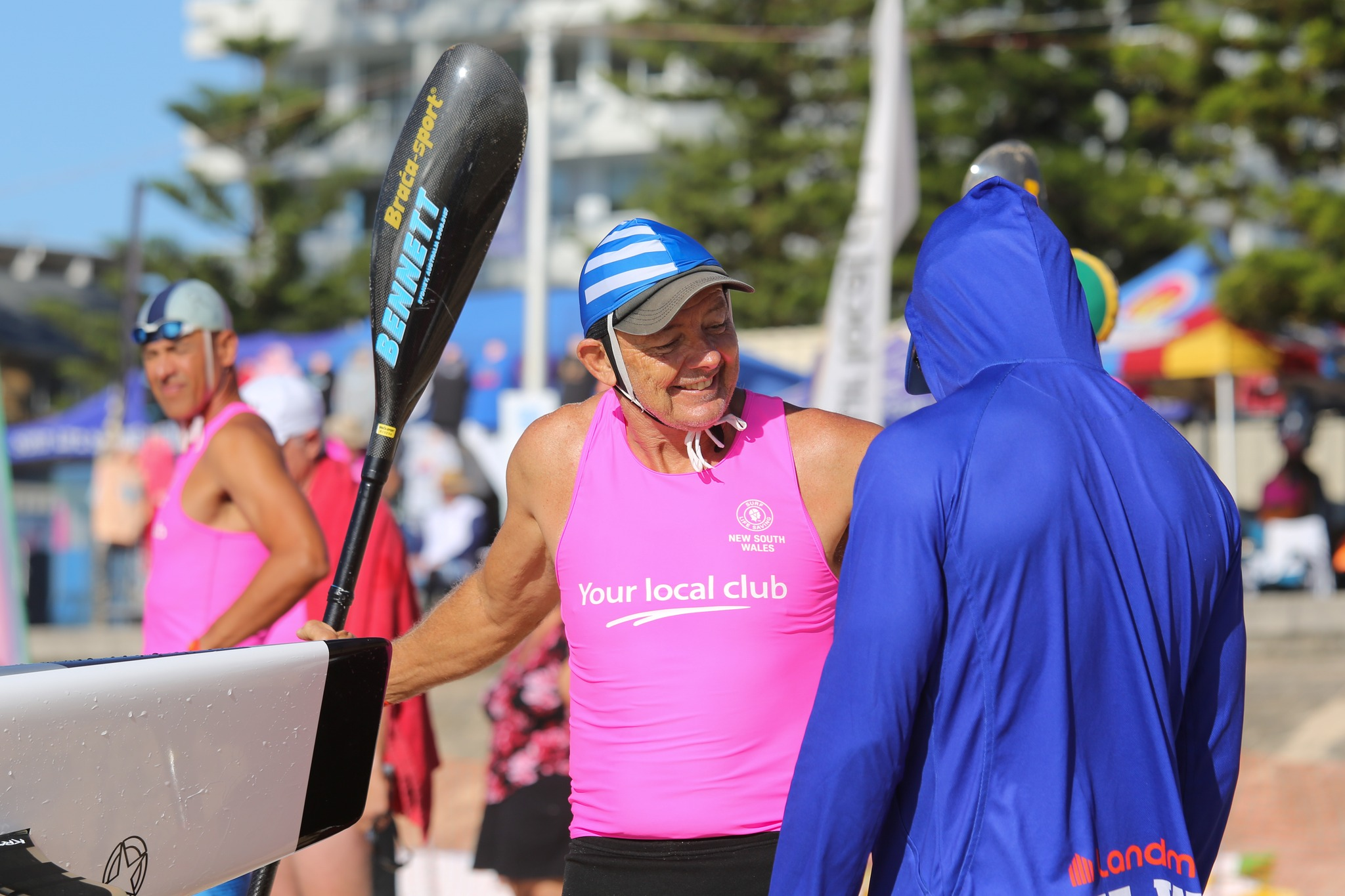
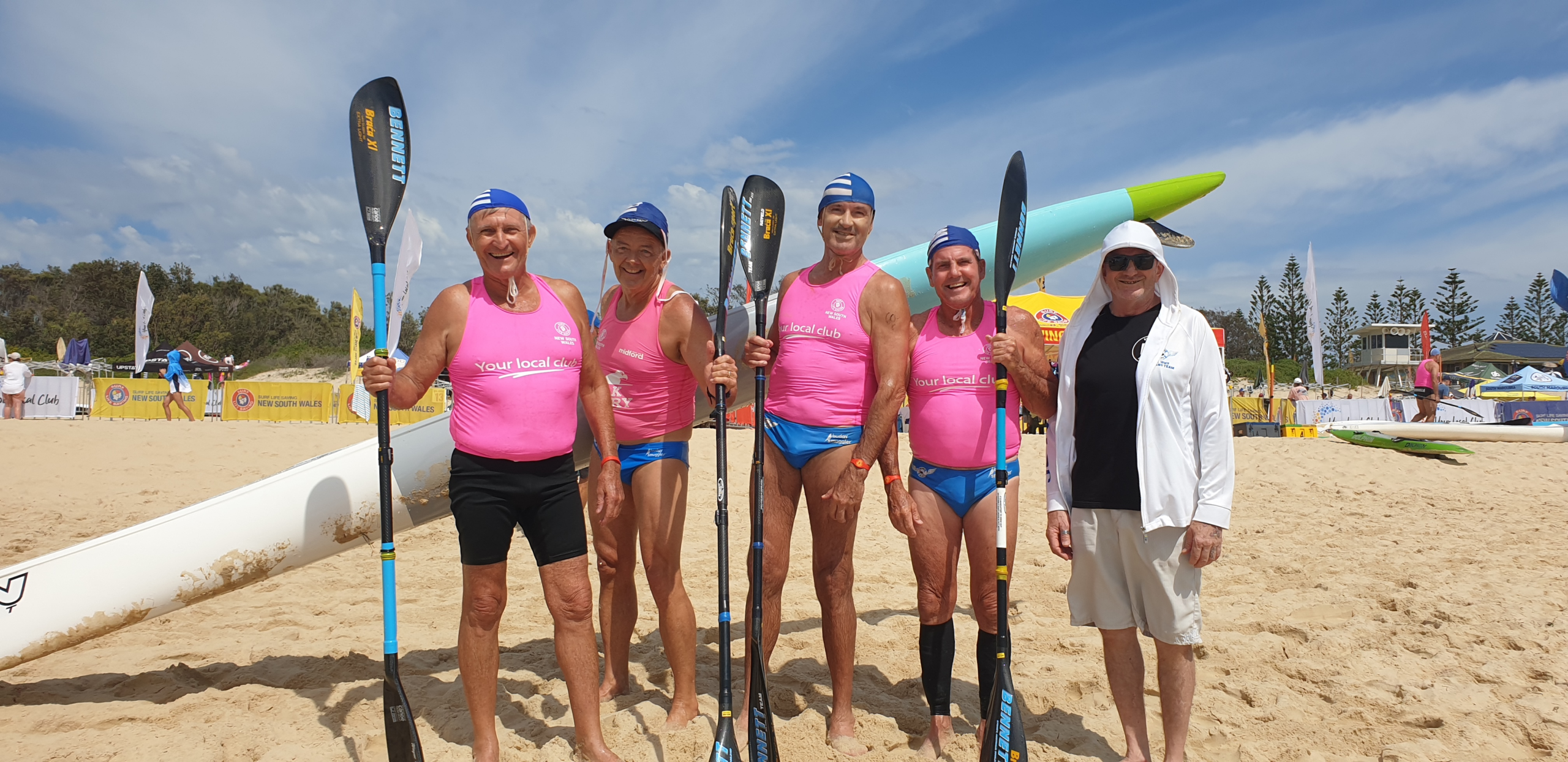
From a floating start, competitors paddle their surf ski around three buoys and return to the finish line. The finish is judged when any part of the surf ski crosses the finish line with the competitor and their paddle all in contact.
TEAM Events
Surf Teams - (U9s - Masters)
The Surf Teams Race comprises three to four swimmers in each team who all complete the Surf Race course. One Point is allocated for the first competitor across the finish line, two for second and so on. The team recording the lowest points wins.
Belt race (U17s - Masters)
The Surf Belt race involves the use of the surf reel, line and belt and is one of the most prestigious and traditional races in surf lifesaving competition. The event begins on the beach with the swimmer placing the belt around their waist and towing a surf line out to their allocated buoy and signalling their finish. The Belt swimmer is assisted by three linesmen and a reel handler.
Rescue Tube Rescue (U17s - masters)
The rescue tube rescue event features four team members: a patient, a rescue tube swimmer and two rescuer assistants. The event commences with the patient swimming to their allocated buoy and signalling back to the beach. The rescue tube swimmer then swims to rescue the patient using swim fins and a towing a rescue tube. Upon arrival at the buoy the rescue tube swimmer harnesses the patient into the tubes and swims back to the As the rescue tube swimmer and patient approach the shore the two rescuers enter the water to assist in getting the patient across the finish line.
Double Surf Ski Race (U17s - masters)
Two competitors paddle their double ski around three boys and return to the finish. The finish is judged when any part of the ski crosses the finish line with both team members and at least one paddle in contact with the ski.
Surf Board relay (U9s - Masters)
Teams of three competitors compete in a relay format over a course similar to the respective individual After rounding the buoys and returning to the beach the first competitor runs around two turning flags to tag the second competitor. The second competitor then completes the course and tags the final competitor. The race finishes when the final competitor rounds all buoys, returns to the beach and runs to the finish line.
Surf Ski Relay (U17s - Masters)
Teams of three competitors compete in a relay format over a course similar to the respective individual After rounding the buoys and returning to the beach the first competitor runs around two turning flags to tag the second competitor. The second competitor then completes the course and tags the final competitor. The race finishes when the final competitor rounds all buoys, returns to the beach and runs to the finish line.
Cameron Relay (U9s - U15s)
Teams of four competitors comprising of a surf board paddler, surf swimmer and two runners compete in this The order of the water legs are drawn by ballot. The first competitor enters the water, rounds the buoys and returns to shore where they tag the first runner. The first runner rounds turning flags and tags the next competitor who round the buoys and tags the last runner. The last runner runs to the finish line.
Surf Board Relay (U17s - Masters)
This two-person event comprises of a surf swimmer and a surf board The race commences with the swimmer swimming to their allocated buoy and then signalling back to the beach for their board paddler to come out and collect them. Once the paddler reaches the swimmer, the two paddle their board back to beach and cross the finish line.
Taplin Relay (U17s - Masters)
Teams compete together in a relay format to complete an Ironman course. The order of the legs may vary and is decided by draw prior to the event.
The Taplin Relay event may be conducted in three person (one swimmer, one surf board and one surf ski paddler), six person (two competitors for each water leg), or four person (one competitor per water leg plus a beach sprinter to complete the race)
Individual Events
Beach Flags
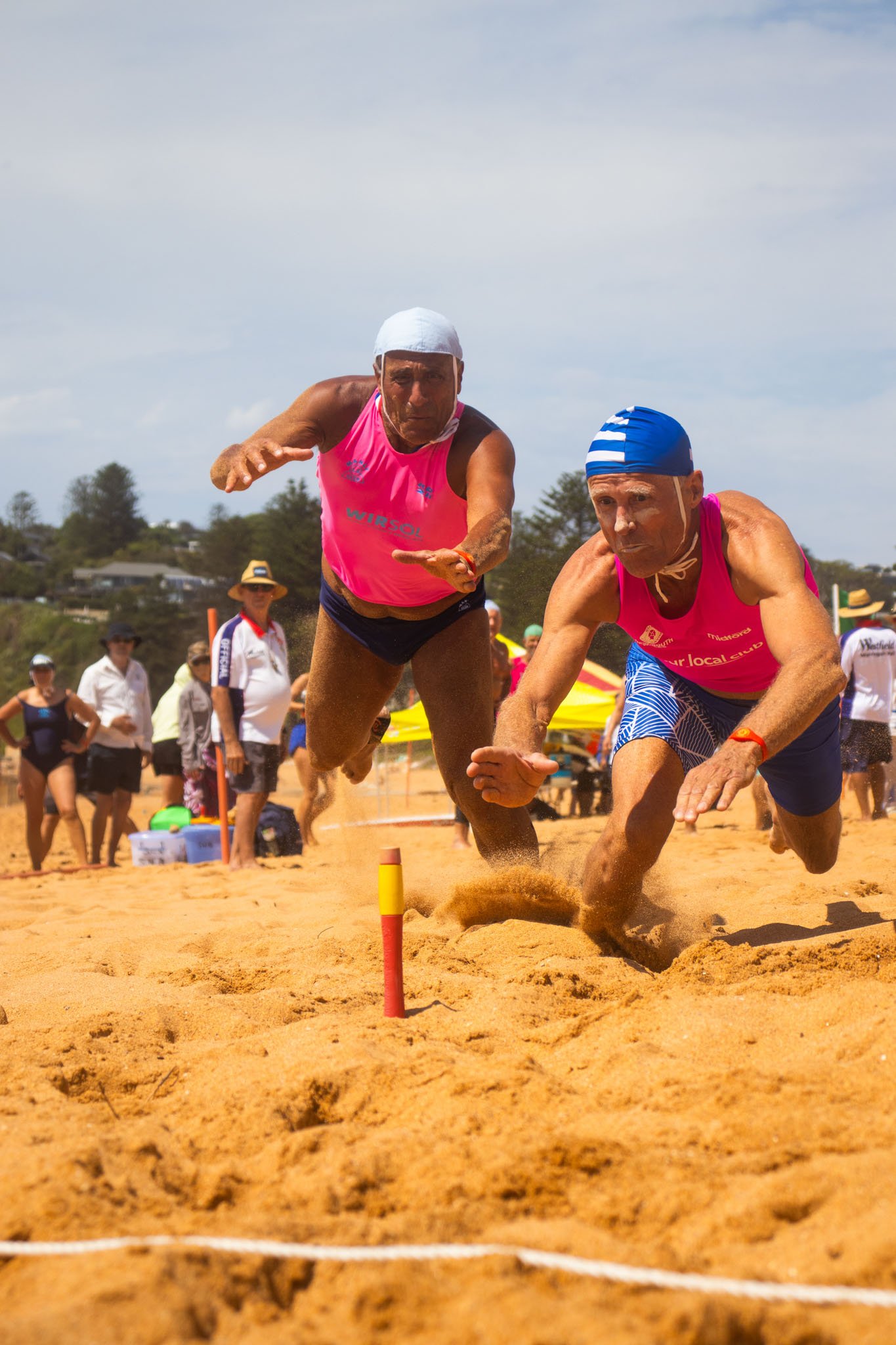
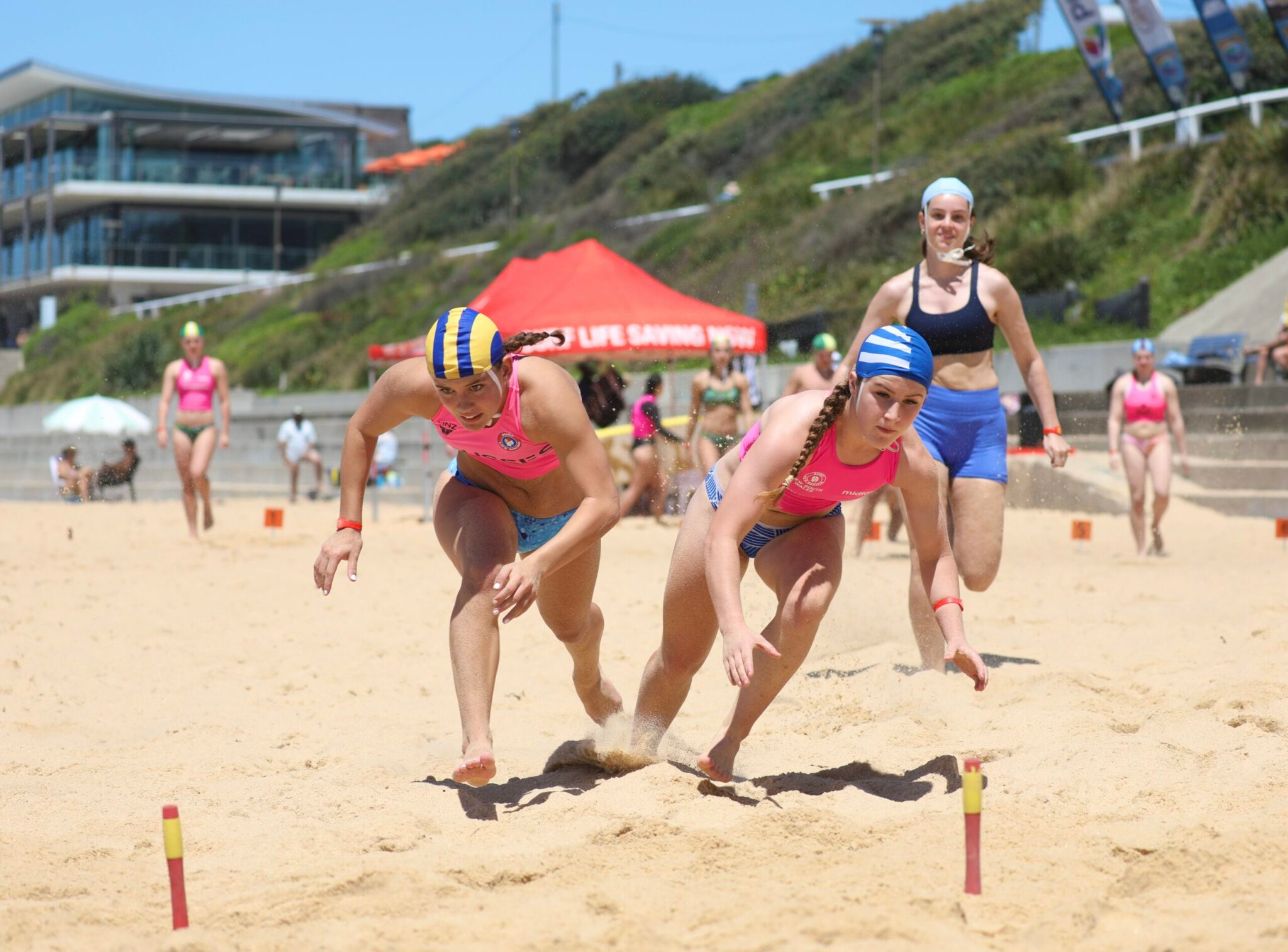
Competitors start lying on their stomach facing away from a baton(s) buried in the sand approximately 15 – 20 metres away. There is always less batons than On the starting gun, competitors rise, turn and race to secure a baton. The competitor(s) who fail to obtain a baton are eliminated. The process repeats until there is a single winner.
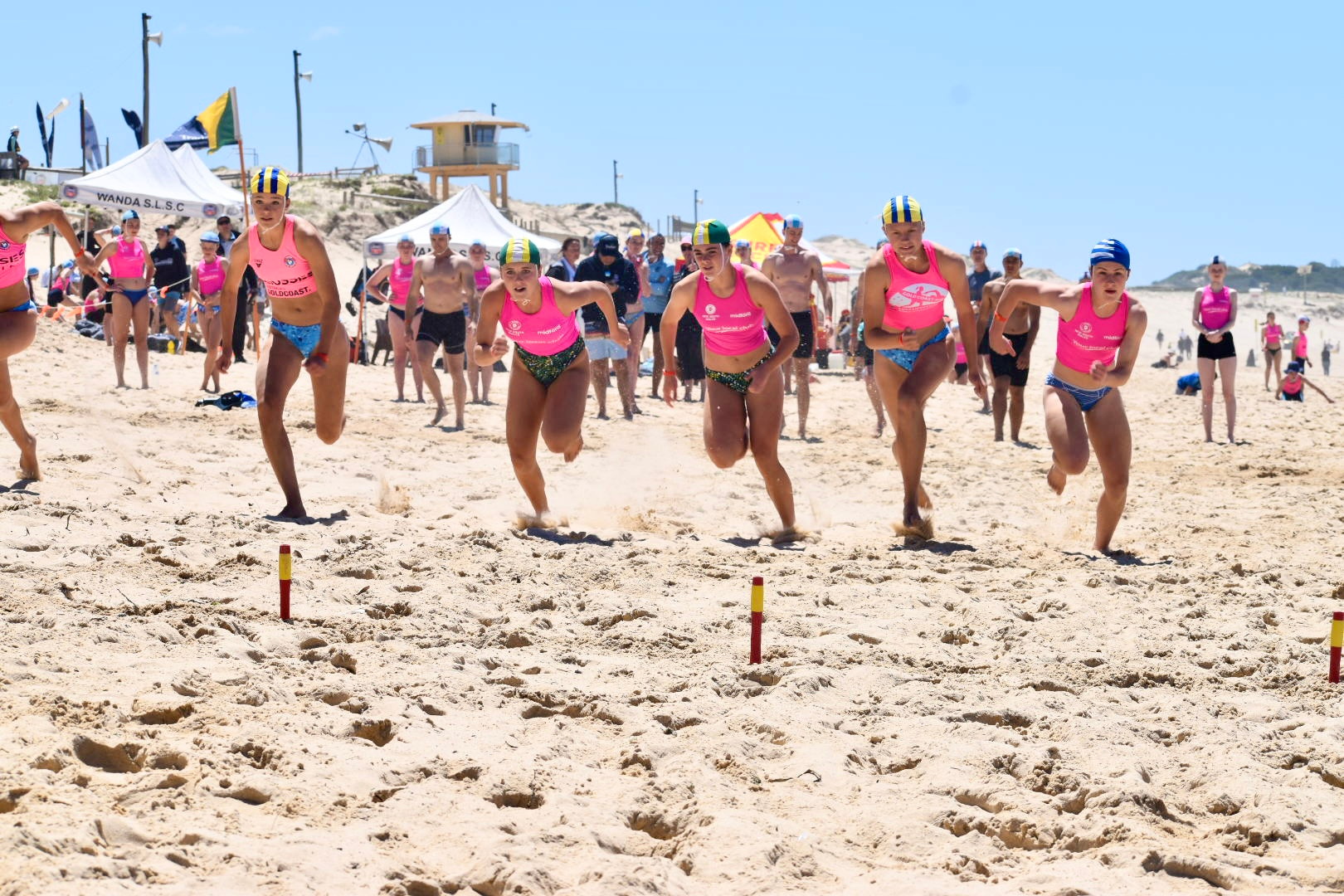
Beach Sprints
Competitors run on a straight sand course of approximately 70 – 90 metres from a start line to a finish line.
Beach Distance run
U9s-U13s
Competitors race on a sand course in two laps of 500 metres to total approximately 1km.
U14s-Masters
Competitors race on a sand course in four laps of 500 metres to total approximately 2km.
Team Events
Beach Relay
Teams of 4 competitors race on a straight sand course of approximately 70 – 90 metres with a baton, running one lap each. The final runner of a team over the finish line wins.
Surf Boat race
Surf Boat races involve crews of five competitors, four of whom shall be “rowers” and a “sweep” (who controls the boat by use of a sweep oar).
Boat crews start at the water’s edge holding their boats ready. On the starting signal, crews row around their assigned turning buoy situated approx 400 metres off shore and return to the beach. The winner is the first crew to pass their boat between the finish flags on the beach.
IRB Events
IRB competition aims to:
- Improve the skills and technique of IRB driver
- Allow crews to demonstrate their techniques and abilities to perform
- Bring crews together to discuss and improve IRB techniques and
- Promote safety awareness techniques for the crew and patients in simulated rescue scenarios.
There are five events in IRB competition with each involving a drivers, crews and patients. The events include:
- IRB Rescue
- IRB Rescue – Tube Rescue
- IRB Team Rescue
- Mass Rescue
- IRB Relay
March past events
March Past is one of Surf Life Saving’s original events and represents the traditional discipline of a surf lifesaver.
Teams, often dressed in full length club swimming costumes, march in time to music around a set course carrying a surf reel, line and belt and following their standard (flag) bearer.
Teams march in formation following commands and they are judged on factors such timing, arm and leg swing, space and dressing, body carriage and presentation.
Individual Events
Champion Lifesaver
This event provides an individual the opportunity to demonstrate their physical and mental skills required to be a lifesaver. The skills include a lifesaving questionnaire, resuscitation, surf race, surf board race, beach sprint and a rescue tube race. A point score based on the results achieved determines the winner.
Team Events
Patrol competition
The aim of the patrol competition is to demonstrate how surf lifesavers work as a team in performing some or all skills associated with surf rescue patrol work. Team members in the patrol competition must be from the same club. The patrol competition includes a number of physical skills, practical and theory tasks involving racing, rescue and/or first aid situations.
First Aid Competition
The first aid competition is a team event, and is conducted with a set simulated accident scenario and a time limit for each team. The time limit is advised prior to the commencement of competition. Judging is based on SLS First Aid standards.
Rescue and Resuscitation
R&R competition can involves the use of the traditional reel, line and belt and provides the opportunity for SLSA members to demonstrate in a competitive manner some traditional rescue and resuscitation techniques used within SLSA. Teams are judged on a combination of drill technique, rescue and resuscitation performance.
Lifesaver relay
Teams shall be comprised of nine competitors including one surf boat crew, one swimmer, one surf board paddler, one surf ski paddler and one beach Teams compete in a relay format over the Surf boat and Ironman courses. The surf boat leg will always be the first leg as will the beach sprint always concluding the race. The order of the other legs may be drawn by ballot.
Board Riding events
Our surfing events – short board and long board – where competitors are judged on wave choice, style and manoeuvres.
pool rescue events
200 Metre Obstacle Swim
This event consists of swimming freestyle a total of 200 metres passing under eight immersed obstacles.
100 Metre Obstacle relay
This event consists of swimming freestyle 100metres passing under four immersed obstacles.
50 Metre Manikin Carry
A competitor swims freestyle for 25 meters then dives to recover a submerged manikin and then carries it to the finish edge of the pool.
100 Metre Manikin Carry with Fins
A competitor swims 50 metres freestyle wearing swim fins to recover a submerged manikin located at the 50 metre The manikin is then carried back to the pool edge to finish.
100 Metre Rescue Medley
This event involves swimming 50metres in freestyle, turning and swimming underwater for 5 metres to a submerged manikin. After recovering the manikin it is carried to the finish edge of the pool.
100 Metre Manikin Tow
A competitor swims 50metres freestyle with fins towing a rescue tube. At the tuning edge of the pool the rescue tube is placed around a floating manikin and is towed back 50metres to the finish line.
200 Metre Super Lifesaver
This is the equivalent event to the Ironman/Ironman. A competitor swims 75 metres freestyle to recover a submerged manikin, and then continues carrying the manikin to the turning The manikin is then released, fins are put on and the competitor tows a rescue tube 50 metres. At the pool turning edge, the rescue tube is placed around a floating manikin which is towed to the finish end of the pool.
4×50 Metre Obstacle
This is a team event of four competitors each swimming 50metres freestyle each, passing under two immersed obstacles.
4×50 Metre Medley Relay
A team event involving four legs – 50 metre freestyle without fins, 50 metre freestyle with fins, 50 metre freestyle towing a rescue tube without fins and then 50 metre freestyle with fins towing a team member to the finish edge of the pool.
4×25 Metre Manikin Relay
A relay of four competitors each swimming 25 metres carrying a manikin.
Line Throw
A timed event where the competitor throws an unweighted line to a team member in the pool and then pulls him/her 12metres back to the poolside.
Simulated Emergency Response Competition
This event involves teams of four lifesavers reacting to a simulated emergency scenario within a two minute time limit. Teams are judged and receive points based on their performance in the scenario.
Interested in surf sports?
Dee Why SLSLC is always looking for people passionate about Surf Sports.
Whether you’re keen to lead a squad, support as an assistant coach, officiate at surf sports carnivals or step into a team manager/coordinator role, your involvement makes a big difference to our athletes and programs.
Get in touch with our Surf Sports Coordinator’s, or have a chat with one of our junior or senior coaches at the next training session.
Contact us – Surf sports Coordinator via email: surf.sports@dyslsc.org.au